For the smallest scale
A low total quantity makes the product line recognisably different from oil for large dogs. The product information determines how the concentration should be read.
Lower strengths for small animals
A separate line of 10, 50 and 125 mg for rabbits, guinea pigs and hamsters, among others—with attention to species and body weight.
First an important difference
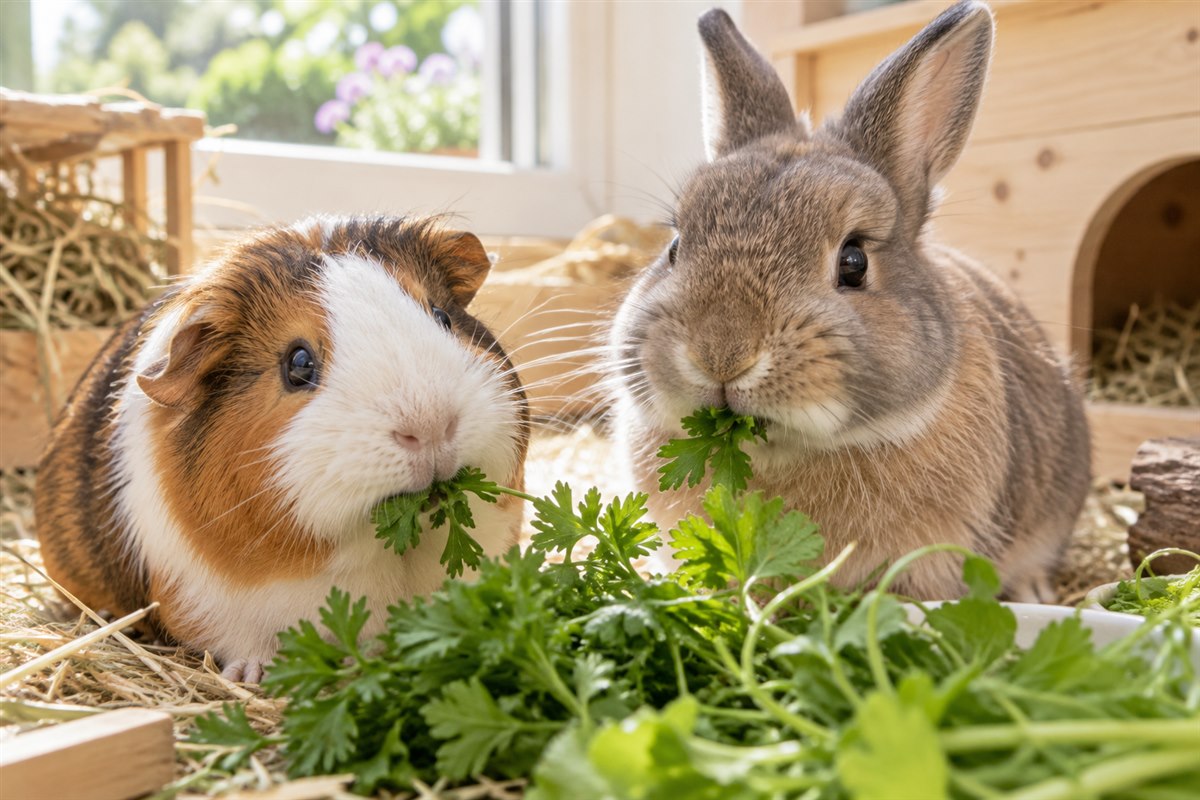
Rabbits belong to the lagomorphs. Guinea pigs, hamsters, rats, mice, gerbils and chinchillas are rodents. We practically group them together on this website as small pets, but biologically and medically they are not interchangeable.
A rabbit with a sensitive gastrointestinal tract, a guinea pig that cannot produce vitamin C itself and a nocturnal hamster have different needs. That's why we don't publish a universal schedule that pretends that only weight counts.
The line for small pets
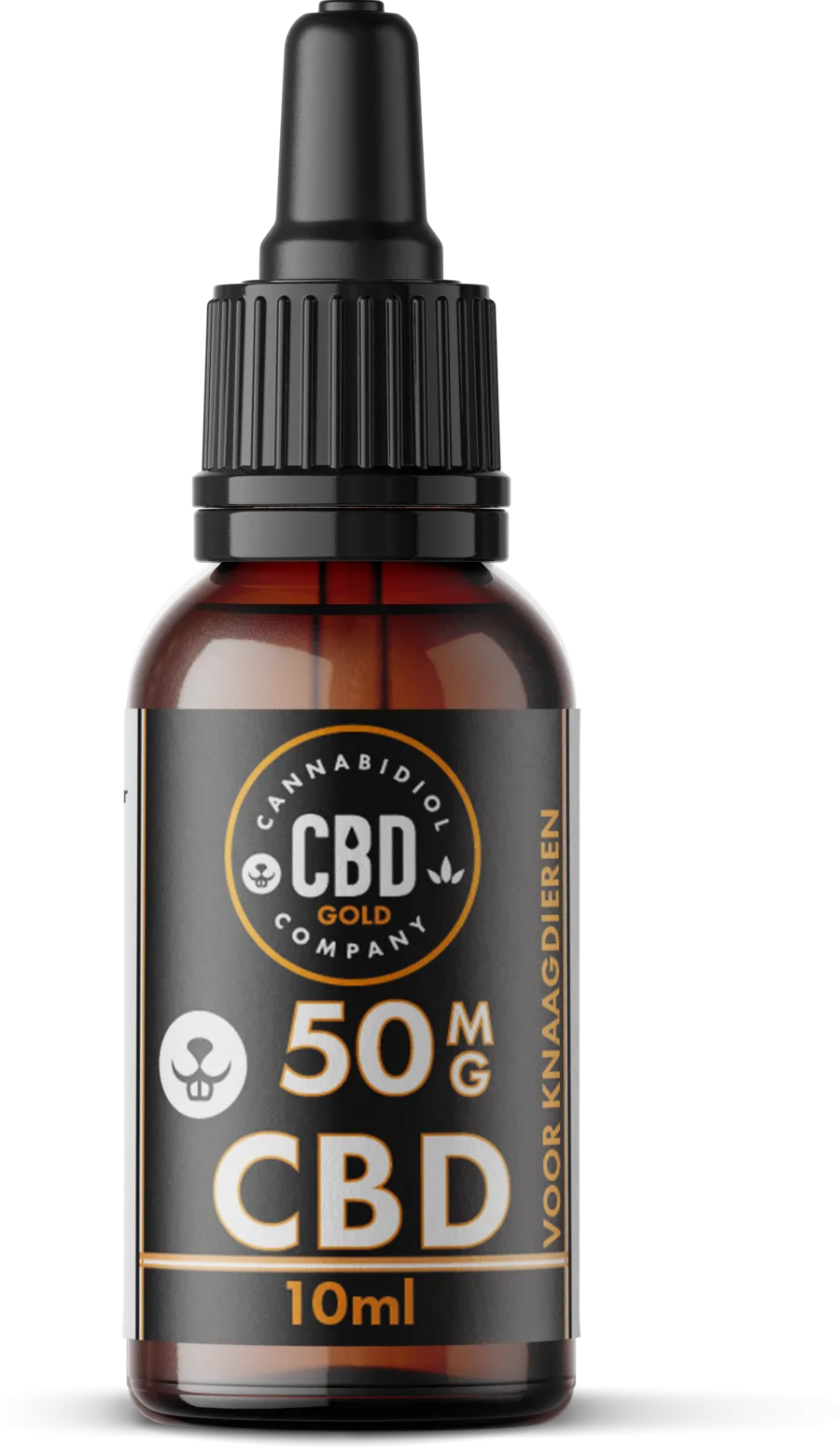
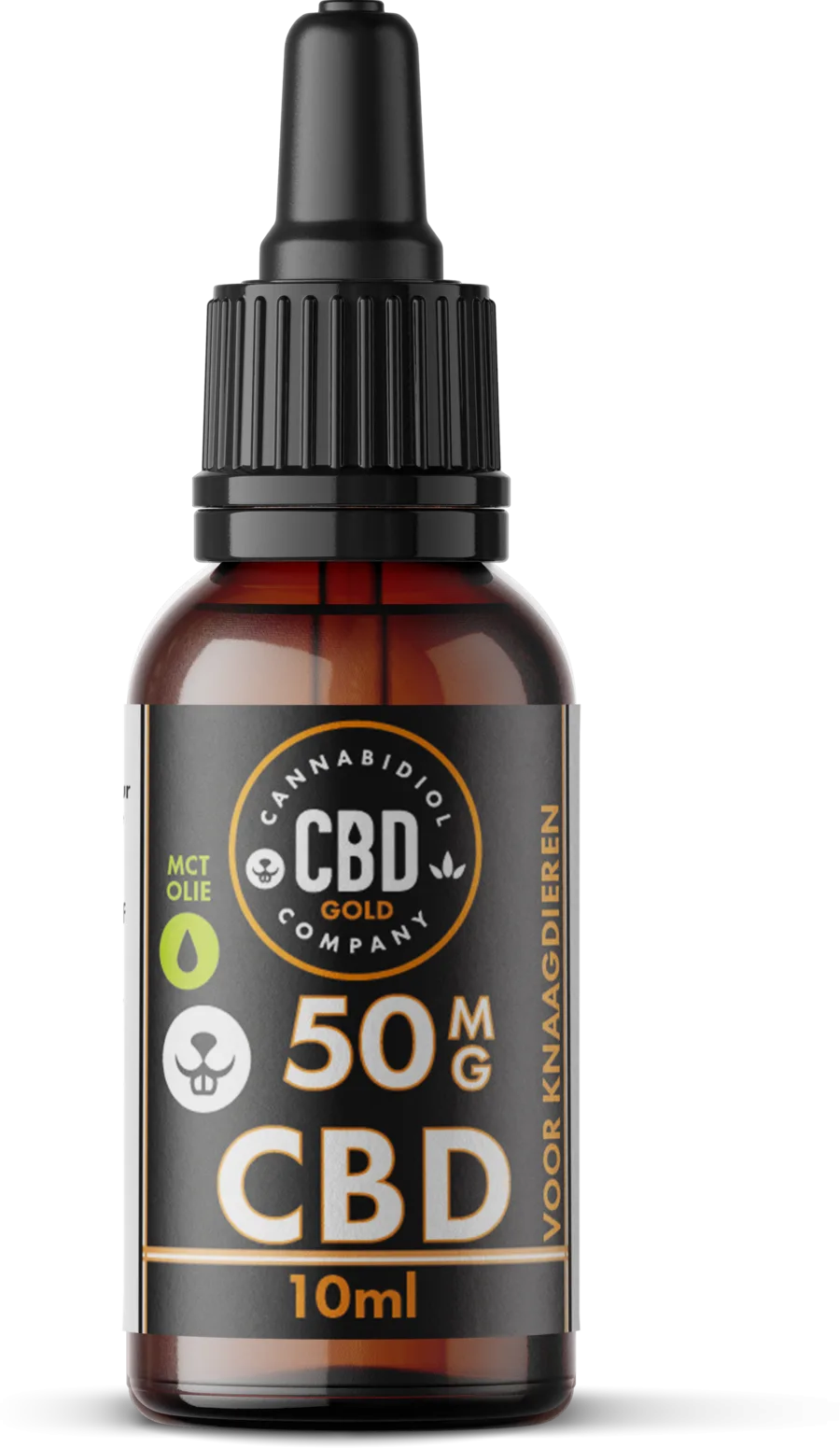
The 50 mg bottles shown are a recognizable example from the 10, 50 and 125 mg line for rabbits and rodents.
Why lower strengths?
A low total quantity makes the product line recognisably different from oil for large dogs. The product information determines how the concentration should be read.
Not every small pet has the same body weight. A guinea pig and a large rabbit can differ greatly.
The highest strength in this line also requires a choice based on animal species, weight, situation and professional advice.
Experience use by owners
Owners cite various reasons for rabbits, guinea pigs, hamsters and other small pets. There is little formal usage research for these species; the list describes practical questions and experience, not proven effectiveness.
We work together with veterinarians. Customers also regularly tell us that they come to us after consultation or referral by a veterinarian. We always refer to the attending veterinarian for medical assessment and treatment.
Blistering is not a diagnosis. It can be related to pain, skin problems, parasites, hormones, stress or boredom, among other things. A rabbit or rodent that is not eating, has little stool, is bulging or is short of breath should be quickly examined by a skilled veterinarian. In such a situation, do not try CBD first.
ECS and composition
The endocannabinoid system has been extensively studied in laboratory rodents and is also found in other mammals. This makes interactions between components biologically possible, but does not prove that every full-spectrum product has an entourage effect for every small pet.
Convincing species-specific evidence is lacking for rabbits, guinea pigs, hamsters and other small pets. Moreover, these are different animal species with their own metabolism. Therefore, always look at the intended type and the exact product composition.
Read the scientific nuance →Observe the animal
A rabbit or guinea pig that stops eating can quickly deteriorate. Never see this as a situation to try CBD out yourself first.
Sitting quietly in a corner, grinding your teeth, a stooped posture or fewer droppings can indicate a serious problem.
Rapid, audible or difficult breathing and sudden drowsiness require immediate expert assessment.
Preferably drop the measured oil onto a small piece of tasty, species-appropriate food that the animal will eat completely. Preferably choose something with some fat, as long as this fits within the normal diet of the animal species in question.
If the snack is not eaten, gently give the oil directly into the mouth. Never put CBD oil in drinking water: oil floats on water and does not distribute evenly.
The line focuses on rabbits, guinea pigs and hamsters, among others. Check per product for which species it is intended and ask for advice if your animal is not explicitly mentioned.
Species, body weight, metabolism, health and product concentration differ. A universal table without that context can actually be misleading.
If your pet stops eating, produces little or no stool, has a swollen abdomen, grinds its teeth, becomes lethargic, has difficulty breathing, is injured or suddenly behaves differently.
Small pets deserve just as much care when choosing a product. Start with the exact species and explore the range intended for it. Read the formulation, compare the available strengths and consider a calm moment for administration with familiar, species-appropriate food. The information on this website helps you work through those steps. If you have questions about a bottle or our range, our support team is happy to help with product selection. For symptoms or questions about your pet’s health, consult your veterinarian.