Rest, rhythm and enrichment
Too little sleep, boredom, noise, moving or a changed group can influence behavior. Housing and daily routine are always part of the assessment.
From canaries and parrots to pigeons and birds of prey
A separate bird line of 10 and 50 mg for parrots, parakeets, canaries, pigeons and birds of prey. Choose based on the exact type, weight and product information.
Species-specific thinking
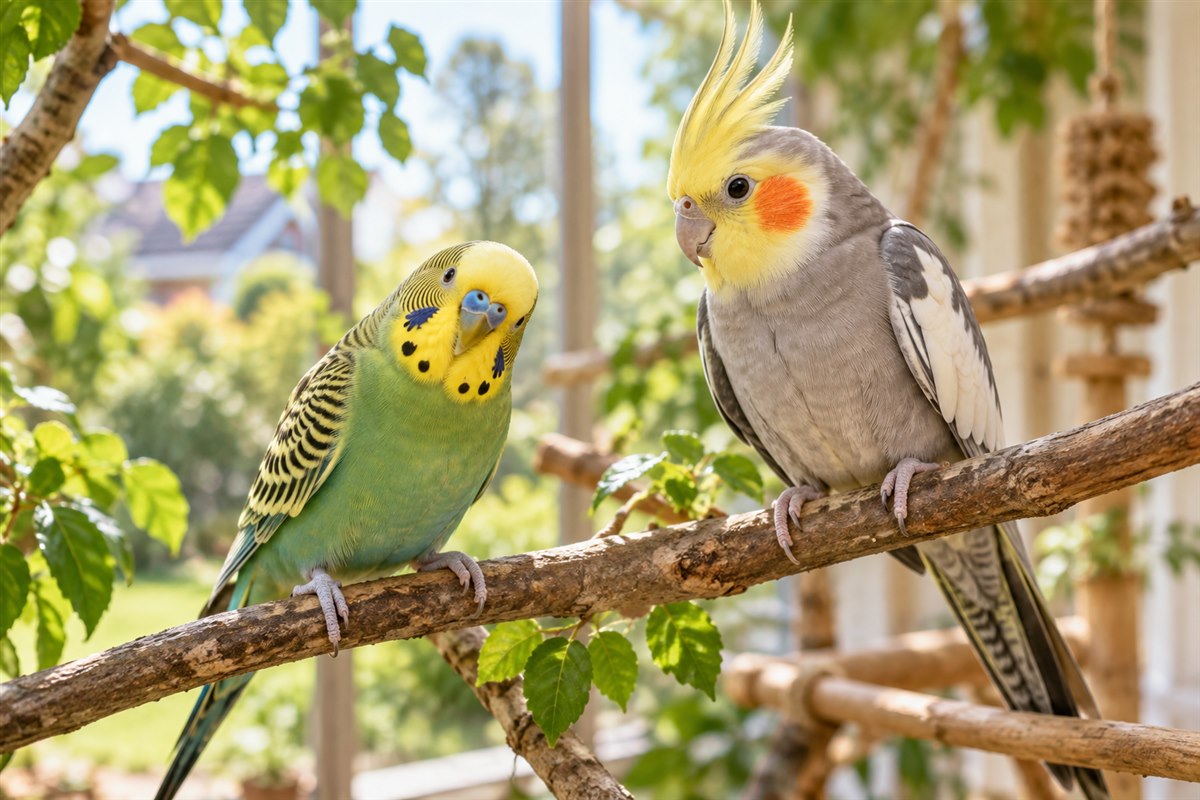
A canary, budgerigar, cockatiel, parrot, pigeon and bird of prey differ enormously in weight, nutrition, lifespan and sensitivity. That is why a careful product choice always starts with the exact bird species.
The bird line contains 10 and 50 mg CBD. These lower strengths make the category recognisably different from the dog line, but the milligram number alone is not enough. Bottle contents, concentration, ingredients and method of presentation must also be clear.
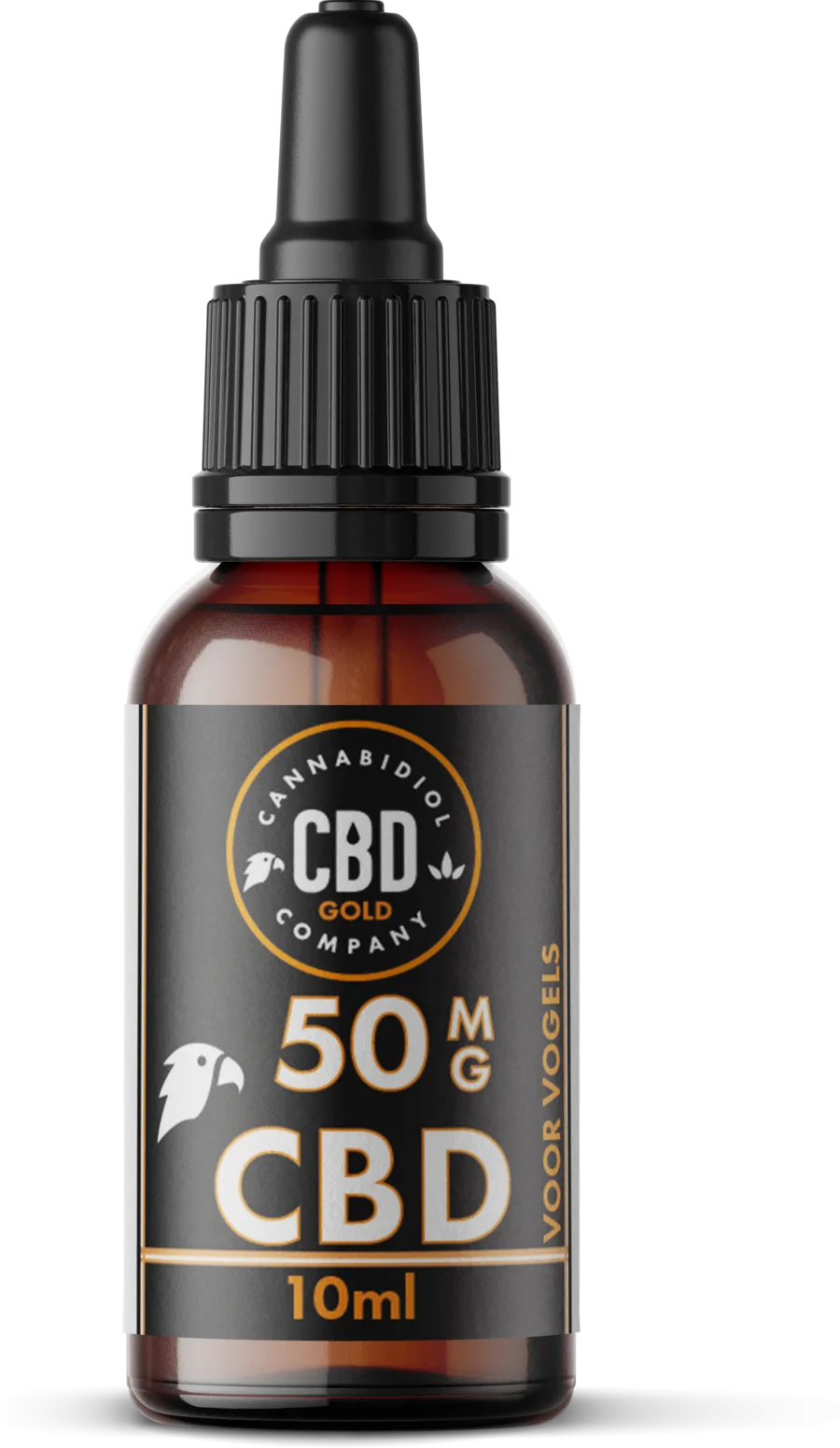
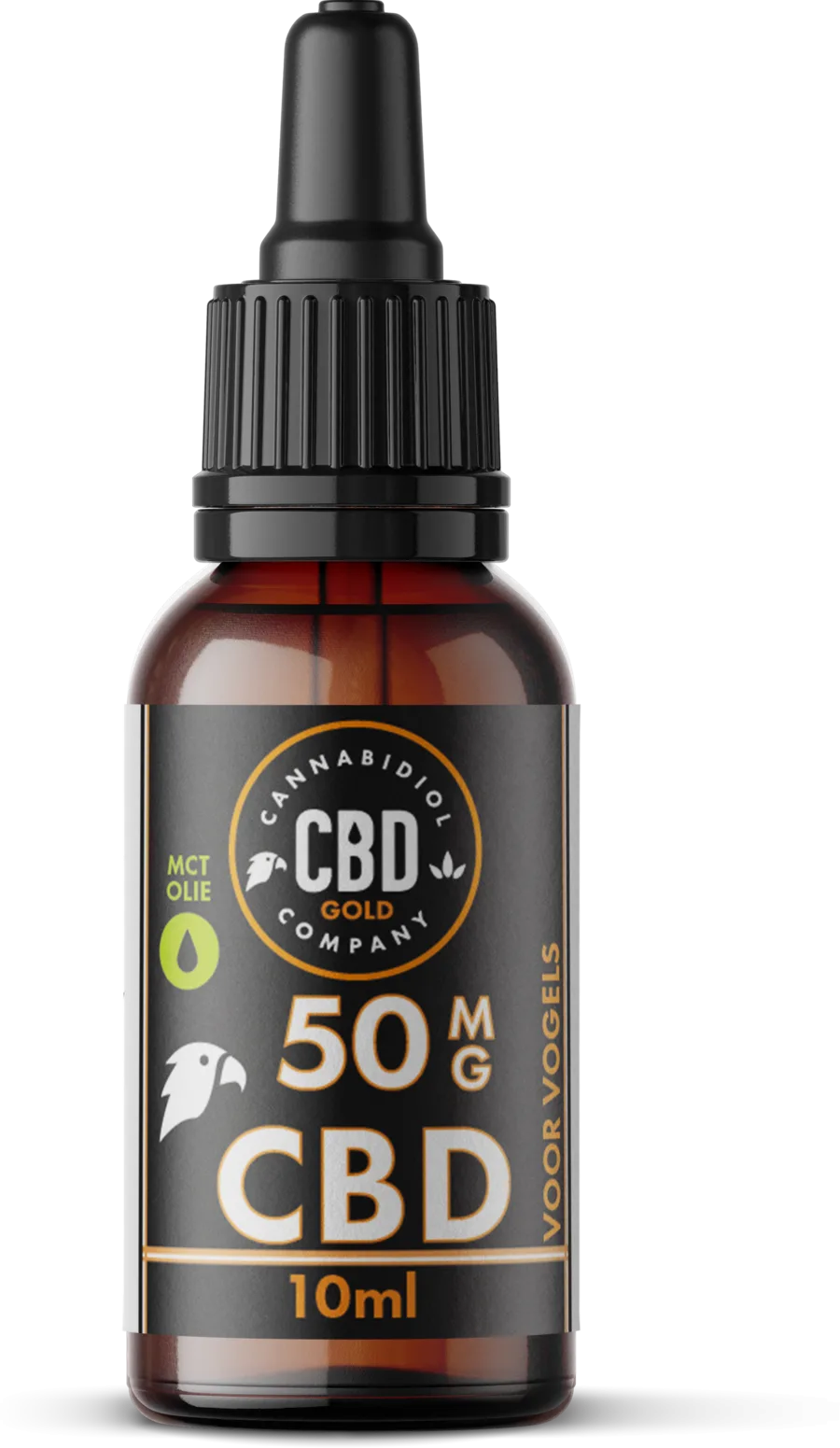
The bird line in the picture
The 50 mg bottles shown are an example. For birds we only use the 10 and 50 mg line, in Gold or MCT oil.
What behavior tells
Too little sleep, boredom, noise, moving or a changed group can influence behavior. Housing and daily routine are always part of the assessment.
Damaging or plucking feathers can be related to behavior, but also to skin disease, pain, diet or hormonal factors. Have medical causes investigated.
Many birds respond strongly to people, fellow birds and routine. A change in calling, eating or seeking contact can be an important signal.
Experience use by owners
In pet birds, CBD is mainly mentioned for feather problems, stress and pain. Formal research on use in bird species is very limited; this is an overview of practical questions and experience, not an efficacy claim.
We work together with veterinarians. Customers also regularly tell us that they come to us after consultation or referral by a veterinarian. We always refer to the attending veterinarian for medical assessment and treatment.
Feather plucking often has several causes. Consider pain, skin disease, parasites, nutrition, hormones, environmental factors, boredom or stress. If a bird is plucking, not eating, sitting or stuffy, first have it examined by an ornithological veterinarian. CBD does not replace medical diagnostics or adapted housing and enrichment.
ECS and composition
Components of the endocannabinoid system have also been demonstrated in birds, including CB1 and CB2 receptors. However, this does not mean that the entourage effect of a hemp extract in pet birds has been proven.
The species-specific substantiation for bird species is very limited. Therefore, do not directly transfer findings in dogs, people or laboratory animals to a parakeet, parrot or other bird. The exact bird species, weight and product composition remain leading.
Read the scientific nuance →Practical administration
Preferably drop the measured oil onto a small piece of tasty, species-appropriate food that one bird will eat completely. Preferably choose something with some fat, as long as this is suitable for the bird species in question.
If the snack is not eaten, gently give the oil directly into the mouth. Never put CBD oil in drinking water: oil floats on water and does not distribute evenly.
Don't just use terms like 'parakeet' or 'parrot'; record the exact species and current weight.
Describe sleep, appetite, feces, noise, feathers, breathing, activity and changes in the environment.
Birds often hide illness for a long time. Suddenly being quiet or sitting up can mean that quick action is necessary.
Choose a method where it is clear which bird receives the product and how much is actually ingested.
The product information mentions parrots, parakeets, canaries, pigeons and birds of prey, among others. Check the intended types per product; the differences within these groups are large.
In case of sitting sluggish, shortness of breath, tail wagging when breathing, not eating, vomiting, blood loss, balance problems, seizures or sudden severe lethargy.
Small pets deserve just as much care when choosing a product. Start with the exact species and explore the range intended for it. Read the formulation, compare the available strengths and consider a calm moment for administration with familiar, species-appropriate food. The information on this website helps you work through those steps. If you have questions about a bottle or our range, our support team is happy to help with product selection. For symptoms or questions about your pet’s health, consult your veterinarian.